
Key Strategies for Successful Account-Based Marketing
Account-Based Marketing (ABM) has emerged as a strategic approach that enables B2B companies to engage high-value accounts with targeted, personalized marketing efforts. By focusing on key accounts, rather than casting a wide net, ABM allows sales and marketing teams to collaborate more effectively, resulting in increased conversion rates and improved ROI.
Understanding Account-Based Marketing (ABM)
Account-Based Marketing is a strategic marketing approach that treats individual accounts as markets in their own right. This requires close alignment between sales and marketing teams to identify, target, and engage key accounts with personalized campaigns. The goal is to generate demand and drive revenue by focusing on the accounts with the highest potential value.
Account-Based Marketing is more than just a marketing strategy; it’s a philosophy that places the customer at the center of business operations. By targeting specific accounts, companies can deliver highly relevant experiences that are tailored to the unique needs of each account. This personalized attention is especially important in B2B markets, where purchase decisions often involve multiple stakeholders and complex buying processes.
ABM has evolved significantly over the years, from a niche strategy used by a few forward-thinking companies to a mainstream approach embraced by organizations worldwide. This evolution has been driven by advances in technology, such as data analytics and marketing automation, which have made it easier to implement and scale ABM programs. Additionally, the shift towards digital marketing has highlighted the need for more personalized and targeted marketing efforts.
The Evolution and Benefits of Account Based Marketing (ABM)
Implementing an ABM strategy offers numerous benefits, including improved ROI, higher conversion rates, and stronger customer relationships. By focusing on high-value accounts, companies can allocate their resources more efficiently and achieve better results. Furthermore, ABM fosters closer collaboration between sales and marketing teams, leading to more cohesive and effective campaigns.
Critical Components of an ABM Program
ABM programs consist of several critical components, each playing a vital role in ensuring the success of the strategy. These components work together to create a cohesive and effective ABM program.
Strategic Account Selection
Selecting the right accounts is the cornerstone of any successful ABM program. This process involves identifying accounts that align with your company’s strategic goals and have the potential to generate significant revenue. Companies often use criteria such as industry, company size, and purchasing history to identify high-value accounts. By focusing on the right accounts, you can maximize your marketing efforts and achieve better results.
Personalized Engagement
Personalized engagement is at the heart of ABM. It involves crafting tailored marketing messages and campaigns that resonate with the specific needs and pain points of each target account. This might include developing personalized content, hosting exclusive events, or offering customized solutions. By creating personalized experiences, companies can build stronger relationships with their key accounts and increase the likelihood of conversion.
Sales and Marketing Collaboration
Ensuring seamless collaboration between sales and marketing teams is crucial for the success of ABM programs. Both teams must work closely together to share insights, develop strategies, and execute campaigns. Regular communication and shared metrics are essential to ensure that both teams are working towards the same objectives. This alignment helps to create a more cohesive and effective ABM program.
Leveraging Data Analytics
Leveraging data analytics is essential for tracking account engagement, measuring campaign effectiveness, and optimizing marketing efforts. By utilizing data-driven insights, companies can make informed decisions and refine their ABM strategies. This might involve analyzing customer behavior, tracking engagement metrics, or using predictive analytics to identify potential opportunities. A data-driven approach ensures that your ABM efforts are targeted and effective.
 Developing an Effective Account Based Marketing (ABM) Strategy
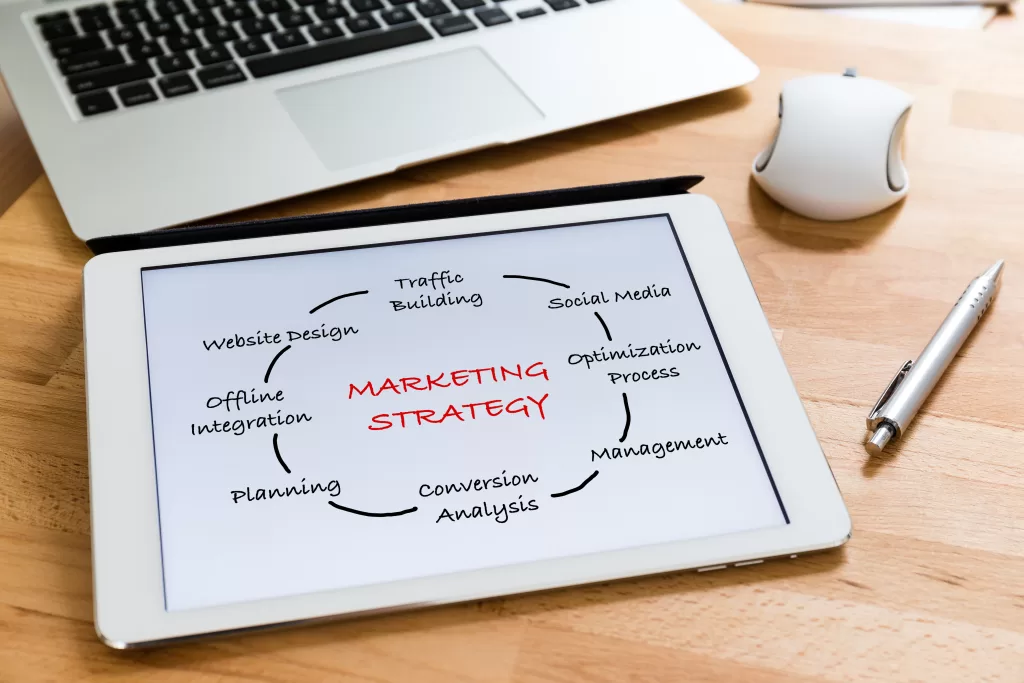 Developing an Effective Account Based Marketing (ABM) Strategy
A successful Account-Based Marketing strategy requires a systematic approach that incorporates both strategic planning and tactical execution. Below are key steps to develop an effective ABM strategy.
Identifying and Researching Key Accounts
Prioritizing Target Accounts
The first step in developing an ABM strategy is identifying and prioritizing key accounts. This involves analyzing your existing customer base to identify accounts that generate the most revenue or have the potential to do so. Consider factors such as industry, company size, and decision-maker influence when selecting target accounts. By focusing on the right accounts, you can maximize your marketing efforts and achieve better results.
In-Depth Account Research
Once you’ve identified your key accounts, it’s essential to conduct in-depth research to understand their unique needs, challenges, and goals. This might involve analyzing their industry trends, studying their competitors, or understanding their organizational structure. By gathering this information, you can develop more targeted and effective marketing strategies that resonate with each account.
Crafting Tailored Value Propositions and Account Plans
Personalized Value Propositions
Developing tailored value propositions is a crucial step in an ABM strategy. This involves crafting messages that clearly communicate the unique value your company can offer to each target account. Consider the specific needs and pain points of each account, and tailor your messaging accordingly. By articulating a compelling value proposition, you can capture the attention of decision-makers and differentiate your company from competitors.
Customized Account Plans
Customized account plans outline the specific strategies and tactics you’ll use to engage each target account. This might include detailing the marketing channels you’ll use, identifying key stakeholders within the account, or outlining the specific content you’ll develop. By creating detailed account plans, you can ensure that your marketing efforts are focused and coordinated, leading to better results.
Fostering Sales and Marketing Alignment
 Fostering Sales and Marketing Alignment
Sales and marketing alignment is crucial for the success of ABM programs. Both teams must collaborate closely to define account goals, develop tailored marketing messages, and execute campaigns. Regular communication and shared metrics are essential to ensure that both teams are working towards the same objectives. This alignment helps to create a more cohesive and effective ABM program.
Establishing Clear Communication Channels
Establishing clear communication channels between sales and marketing teams is essential for ensuring alignment. This might involve regular meetings, shared digital platforms, or collaborative workshops. By fostering open communication, both teams can share insights, address challenges, and work together towards common goals. This collaboration ensures that your ABM strategy is cohesive and effective.
Implementing Shared Metrics and KPIs
Implementing shared metrics and key performance indicators (KPIs) helps ensure that both sales and marketing teams are working towards the same objectives. This might involve tracking metrics such as account engagement, conversion rates, or revenue generated. By using shared metrics, both teams can measure the success of their efforts and make data-driven decisions to optimize their strategies.
Building Collaborative Workflows
Building collaborative workflows between sales and marketing teams is essential for executing a successful ABM strategy. This might involve developing joint marketing campaigns, coordinating account outreach efforts, or sharing customer insights. By working together, both teams can leverage their strengths and expertise to create more effective marketing strategies.
 Leveraging Content Marketing in Account Based Marketing (ABM)
 Leveraging Content Marketing in Account Based Marketing (ABM)
Content marketing plays a pivotal role in ABM campaigns. By creating personalized content that addresses the unique needs and challenges of each target account, you can engage decision-makers and establish your company as a trusted partner. This includes developing case studies, whitepapers, and other content assets that demonstrate your expertise and value proposition.
Developing Account-Specific Content
Developing account-specific content involves creating materials tailored to the unique needs and challenges of each target account. This might include case studies highlighting your company’s success with similar clients, whitepapers addressing industry-specific pain points, or personalized video messages from key executives. By creating account-specific content, you can engage decision-makers and demonstrate your company’s expertise.
Utilizing Interactive Content Formats
Interactive content formats, such as quizzes, assessments, or webinars, can be highly effective in engaging target accounts. These formats encourage participation and allow decision-makers to explore your offerings in a more engaging way. By utilizing interactive content, you can capture the attention of decision-makers and provide them with valuable insights into your products or services.
Showcasing Success with Case Studies and Testimonials
Case studies and testimonials are powerful tools for demonstrating your company’s success and building credibility with target accounts. By showcasing real-world examples of how your company has helped similar clients, you can build trust with decision-makers and highlight the value of your offerings. Consider using multimedia formats, such as video testimonials, to make your case studies more engaging and impactful.
Integrating Technology and Data Analytics 

Technology and data analytics are essential components of any successful ABM strategy. Utilize marketing automation tools, CRM systems, and data analytics platforms to track account engagement, measure campaign effectiveness, and refine your marketing approaches. This data-driven approach enables you to make informed decisions and optimize your ABM efforts.
Selecting the Right Technology Tools
Selecting the right technology tools is critical for executing a successful ABM strategy. This might include marketing automation platforms, customer relationship management (CRM) systems, or data analytics tools. By choosing the right tools, you can streamline your marketing efforts, track account engagement, and measure campaign effectiveness more efficiently.
Implementing Marketing Automation
Marketing automation is a powerful tool for executing and scaling ABM campaigns. It allows you to deliver personalized messages, track account interactions, and nurture leads through automated workflows. By implementing marketing automation, you can increase the efficiency of your ABM efforts and ensure that your messages are delivered at the right time to the right audience.
Utilizing Data Analytics for Insights
Data analytics provides valuable insights into account behavior, campaign performance, and market trends. By leveraging data analytics, you can make informed decisions and optimize your ABM strategy. This might involve tracking key performance indicators (KPIs), analyzing customer engagement metrics, or using predictive analytics to identify potential opportunities.
Integrating CRM Systems
Integrating CRM systems with your ABM strategy enables seamless collaboration between sales and marketing teams. CRM systems provide a centralized platform for tracking account interactions, sharing customer insights, and managing leads. By integrating CRM systems, both teams can access real-time data and work together more effectively to achieve their objectives.
Executing Targeted Account Based Marketing (ABM) Campaigns
 Executing Targeted Account Based Marketing (ABM) Campaigns
Once your ABM strategy is in place, it’s time to execute targeted campaigns that engage your key accounts. Here are some best practices for executing successful ABM campaigns.
Implementing a Multi-Channel Engagement Strategy
Engage target accounts through a variety of channels, including email, social media, content marketing, and events. A multi-channel approach allows you to reach decision-makers where they are most active and receptive to your messaging.
Developing a Multi-Channel Approach
Developing a multi-channel strategy involves identifying the most effective channels for reaching your target accounts. This might include email marketing, social media, content marketing, events, or direct mail. By utilizing multiple channels, you can increase your reach and engage decision-makers more effectively.
Coordinating Cross-Channel Campaigns
Coordinating cross-channel campaigns ensures that your messaging is consistent and cohesive across all touchpoints. This might involve synchronizing email campaigns with social media efforts, or aligning content marketing with event outreach. By coordinating your efforts, you can create a seamless experience for your target accounts and increase the effectiveness of your campaigns.
Leveraging Events for Engagement
Events, whether virtual or in-person, provide valuable opportunities for engaging with target accounts. Consider hosting webinars, workshops, or exclusive events tailored to the needs of your key accounts. By leveraging events, you can build relationships with decision-makers, demonstrate your expertise, and showcase the value of your offerings.
 Embracing Personalization and Relationship Building
 Embracing Personalization and Relationship Building
Personalization is at the heart of ABM campaigns. Tailor your messaging and content to address the specific pain points and needs of each target account. This personalized approach helps build stronger relationships and increases the likelihood of conversion.
Crafting Customized Messaging
Crafting customized messaging involves tailoring your communication to the unique needs and challenges of each target account. This might include addressing specific pain points, highlighting relevant case studies, or offering personalized solutions. By customizing your messaging, you can capture the attention of decision-makers and increase the effectiveness of your campaigns.
Utilizing Dynamic Content Personalization
Dynamic content personalization involves using technology to deliver personalized messages to target accounts based on their behavior or preferences. This might include personalized email content, tailored website experiences, or customized advertising. By implementing dynamic content personalization, you can create more relevant and engaging experiences for your target accounts.
Building Strong Relationships
Building strong relationships with key accounts is essential for the success of ABM campaigns. This involves engaging decision-makers through personalized interactions, providing valuable insights, and demonstrating your commitment to their success. By building strong relationships, you can establish your company as a trusted partner and increase the likelihood of conversion.
Continuous Measurement and Optimization
Continuous measurement and optimization are critical to the success of ABM campaigns. Use data analytics to track key performance indicators (KPIs) such as engagement rates, conversion rates, and revenue generated. Analyze this data to identify areas for improvement and make data-driven adjustments to your campaigns.
Tracking Key Performance Indicators (KPIs)
Tracking key performance indicators (KPIs) is essential for measuring the success of your ABM campaigns. Common KPIs include engagement rates, conversion rates, revenue generated, and return on investment (ROI). By tracking these metrics, you can assess the effectiveness of your campaigns and make informed decisions for optimization.
Conducting Regular Performance Reviews
Conducting regular performance reviews allows you to evaluate the effectiveness of your ABM efforts and identify areas for improvement. This might involve analyzing campaign data, gathering feedback from sales and marketing teams, or reviewing customer interactions. By conducting regular reviews, you can make data-driven adjustments to your strategies and ensure continuous improvement.
Implementing A/B Testing
A/B testing is a powerful tool for optimizing your ABM campaigns. This involves testing different variations of your messaging, content, or channels to determine which performs best. By implementing A/B testing, you can identify the most effective strategies and make data-driven adjustments to improve campaign performance.
Leveraging Predictive Analytics
Predictive analytics provides valuable insights into future trends and opportunities. By leveraging predictive analytics, you can anticipate customer behavior, identify potential opportunities, and plan your ABM strategies more effectively. This forward-looking approach ensures that your ABM efforts are proactive and aligned with market trends.
Overcoming Common Account Based Mareketing (ABM) Challenges
While ABM offers numerous benefits, it also presents several challenges. Here are some common challenges and solutions for overcoming them.
Challenge: Sales and Marketing Alignment
Solution: Foster open communication and collaboration between sales and marketing teams. Establish shared goals and metrics to ensure both teams are working towards the same objectives.
Solution: Fostering a Culture of Collaboration
Fostering a culture of collaboration between sales and marketing teams is essential for ensuring alignment. This might involve developing joint training programs, hosting team-building activities, or creating shared incentives. By promoting collaboration, both teams can work together more effectively to achieve their objectives.
Solution: Utilizing Integrated Communication Platforms
Integrated communication platforms, such as collaborative software or shared project management tools, can facilitate communication between sales and marketing teams. By providing a centralized platform for communication, both teams can share insights, address challenges, and work together towards common goals.
Challenge: Content Creation and Personalization at Scale
Solution: Leverage content marketing tools and templates to streamline the content creation process. Consider outsourcing content development to experienced copywriters to ensure high-quality, personalized content.
Solution: Implementing Content Automation Tools
Content automation tools can streamline the content creation process and enable personalized content at scale. This might include using templates, automated content delivery, or AI-powered content generation. By implementing content automation, you can increase efficiency and deliver personalized content more effectively.
Solution: Building a Content Repository
Building a content repository allows you to store and reuse content assets, such as templates, case studies, or whitepapers. By creating a centralized repository, you can streamline the content creation process and ensure consistency in your messaging.
Challenge: Measuring ROI and Proving Effectiveness
Solution: Implement robust data analytics tools to track and measure campaign performance. Regularly review KPIs and use this data to optimize your marketing efforts.
Solution: Developing a Comprehensive Analytics Framework
Developing a comprehensive analytics framework involves identifying the key metrics and data sources needed to measure campaign effectiveness. This might include tracking engagement metrics, conversion rates, or revenue generated. By developing a robust framework, you can ensure that your analytics efforts are targeted and effective.
Solution: Conducting Data-Driven Performance Reviews
Conducting data-driven performance reviews allows you to evaluate the success of your ABM efforts and identify areas for improvement. This might involve analyzing campaign data, gathering feedback from sales and marketing teams, or reviewing customer interactions. By conducting data-driven reviews, you can make informed decisions and optimize your strategies.
Solution: Utilizing Advanced Analytics Tools
Advanced analytics tools, such as predictive analytics or machine learning, can provide valuable insights into campaign performance and future opportunities. By leveraging these tools, you can anticipate customer behavior, identify potential opportunities, and optimize your ABM efforts more effectively.
Conclusion and Future Outlook
Account-Based Marketing is a powerful strategy for B2B companies looking to engage high-value accounts with targeted, personalized marketing efforts. By aligning sales and marketing teams, leveraging data analytics, and executing personalized ABM campaigns, companies can drive demand generation, increase conversion rates, and achieve their business goals.
Key Takeaways for Account Based Marketing (ABM) Success
By adopting these key strategies, you can develop a successful ABM program that delivers measurable results and positions your company as a trusted partner to your key accounts. Embrace the power of ABM to create a competitive advantage, foster strong customer relationships, and drive business growth.
The Future of Account-Based Marketing
As technology continues to evolve, ABM will likely become even more sophisticated and data-driven. Future trends may include the increased use of AI and machine learning, greater integration with other marketing strategies, and a stronger focus on customer experience. By staying ahead of these trends, you can ensure that your ABM strategy remains relevant and effective.
Getting Started with ABM
If you’re new to ABM, start by building a solid foundation with clear goals, aligned teams, and the right technology tools. As you gain experience, continuously optimize your strategies and leverage data-driven insights to drive success. With dedication and a strategic approach, you can unlock the full potential of Account-Based Marketing and achieve your business objectives.
Ready to Build a Account Based Marketing (ABM) System That Works While You Sleep?
This isn’t just about more leads. It’s about more qualified conversations, more efficient teams, and more revenue without more hustle.